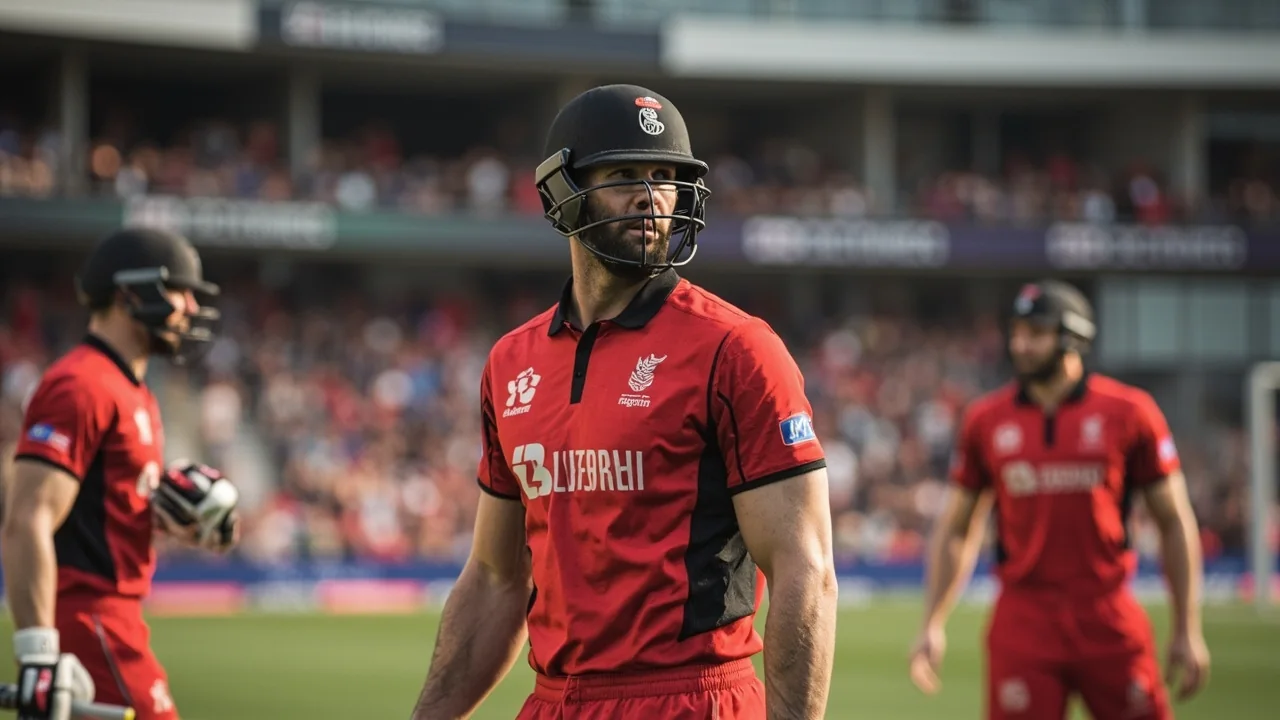
Nottinghamshire arrive in Southport on three straight wins. Lancashire, after an opening defeat, have bounced back with two consecutive wins of their own. The Metro Bank One Day Cup 2026 Group A meeting on 30 July 2026 sits at a useful inflection point: one side with momentum to defend, the other with a top-order batter in red-hot form and a strike seamer quietly leading the bowling effort.
What the two sides look like before the toss
Lancashire's batting has been built around Keaton Jennings at the top. Across three innings so far in the competition he has scored 230 runs at an average of 76.67, with a century and a half-century already on the board. That kind of opening-platform reliability gives the middle order licence to play without rebuilding the innings, and it gives fantasy captains a stable top-order pick whose points do not depend on him finishing the chase himself.
On the bowling side, Tom Bailey has carried the seam attack. Two matches in, five wickets at an average of 16.00 and an economy rate of 4.00 in a tournament where par economy is usually closer to 4.80 in the powerplay and 5.40 at the death. The economy number is what stands out for fantasy: Bailey has held his end while the rest of the attack has rotated around him, and he is the bowler most likely to keep his overs intact even on a flat Southport surface.
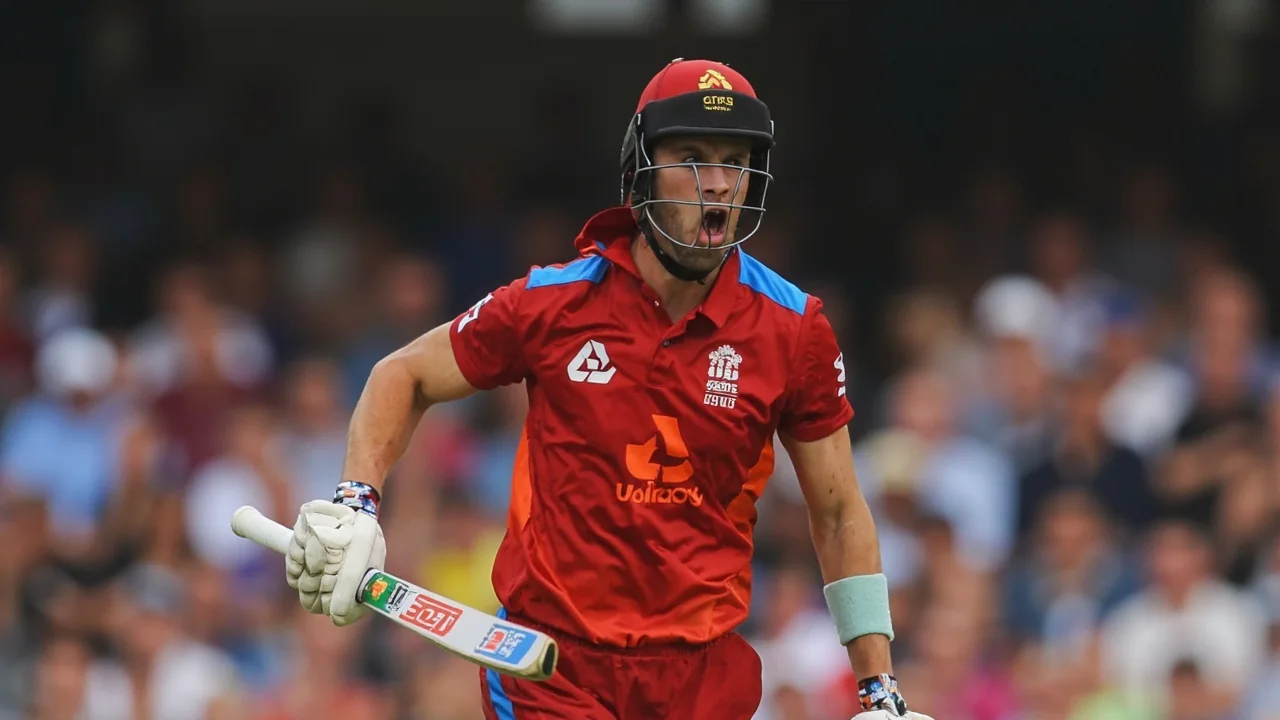
Nottinghamshire are unbeaten through three matches. Their batting has been paced at the top by Freddie McCann, who has 158 runs at 52.67 with two half-centuries. He has not produced a hundred yet but the consistency is the point: he is giving the Outlaws starts, and on List A surfaces that is often enough. The lower-middle order has done the rest around him.
The headline bowler is the left-arm seamer Joe Pocklington. Ten wickets in three matches at an average of 10.80 makes him one of the standout bowlers in the competition, full stop. In a tournament where most frontline seamers are operating at averages between 22 and 32, a 10.80 average over three matches is a level above the field. Fantasy captains picking top bowlers in the next round of contests cannot leave him off the shortlist.
Head-to-head framing the contest properly
Lancashire and Nottinghamshire have produced some of the closest finishes in recent 50-over cricket between them. The venues swing this fixture: Trafalgar Road in Southport has traditionally offered something for the seamers early before flattening into a chaseable surface under afternoon sun. Whoever wins the toss will be weighing the dew factor for the second innings against the early-movement opportunity with the new ball.
The two form stories also point in opposite directions. Nottinghamshire arrive unbeaten, which usually correlates with confidence in the death bowling and clear role-definition through the batting order. Lancashire, after the opening defeat, have rediscovered their method: Jennings at the top, Bailey at the back end of the powerplay, and the middle order has had room to settle because the platform is in place.
Predicted outcome slate for in-play contests
For in-play fantasy contests on the day, the slate most field experts settle on ahead of the toss looks like this. Lancashire are tipped to win the toss. Nottinghamshire are tipped to win the match, marginally. The top-batter picks are Jennings for Lancashire and McCann for Nottinghamshire. The top-bowler picks are Bailey for Lancashire and Pocklington for Nottinghamshire. The most-sixes picks are the two openers, Jennings and McCann. The player-of-the-match pick is Joe Pocklington. The projected team totals are Lancashire around 290 batting first, Nottinghamshire around 305 batting first.
These predictions are formulated from a combination of stats, recent form, and AI-assisted form models. They are published ahead of the toss and may be revised once final XIs are announced, with live in-play features being updated through the match itself. The single best captain pick on the slate, if you must pick one, is Pocklington — both because his wicket-taking form is the strongest on either side and because left-arm seam against a right-handed top order is a structural match-up advantage that should hold regardless of surface.
How this Group A fixture shapes the wider table
Group A in the Metro Bank One Day Cup 2026 has been compressed. With Nottinghamshire on three wins and Lancashire now level on form after their two-match bounce-back, the standings at the end of this round will tell us a lot about who the realistic semi-finalists are. A win for Nottinghamshire opens daylight at the top; a win for Lancashire closes the gap to zero and turns the next two rounds into a de facto qualifying group.
For fantasy players building lineups across the rest of the group stage, the practical takeaways are clear. Jennings is a safe captain pick until proven otherwise — his average above 76 is not a small-sample fluke, it is built on a century and a fifty. McCann is the safer differential captain pick for Nottinghamshire sides, particularly in contests where you need a top-order anchor who will be there at the 15-over mark.
Pocklington is the most bankable bowling captain on either side and the best wicket-taker to load into your XI's bowling slots. Bailey is the secondary seamer pick, especially if the Southport surface offers anything early. In mega-contests, the smart play is one of each captain and let the differential upside ride on McCann and Bailey while Jennings and Pocklington anchor the floor.
Reading checklist — three passes through the data
The first pass through any List A fixture is form. Jennings' 230 runs and Bailey's 4.00 economy set the Lancashire ceiling; McCann's two fifties and Pocklington's 10 wickets set the Nottinghamshire ceiling. The second pass is match-up: left-arm seam against right-handed top order is Pocklington's structural edge, and it should hold at Southport. The third pass is context: Nottinghamshire arrive unbeaten, which usually points to a settled death-bowling plan, while Lancashire have the more explosive middle order if the top order gives them a launchpad.
For those building fantasy teams across the rest of the round, the broader lesson is the discipline of captain-pick diversification across opposing sides in close fixtures. When two strong teams meet, the safe captain pick on each side will be picked by a high percentage of the field. The edge comes from the differential captain pick on the weaker-favoured side — here, Jennings as the contrarian captain against a Pocklington-led bowling attack is exactly the kind of swing worth taking once or twice across the contest slate.
Powerplay reads — what the first ten overs tell you
The powerplay overs in this fixture matter more than usual because of the seam-bowling quality on both sides. Pocklington's new-ball spell sets the tone for Nottinghamshire; if he picks up a wicket inside the first five overs, the run-rate ceiling drops and the chase becomes a 7-per-over grind rather than a 5.5-per-over cruise. Lancashire's counter is to use Bailey at the back end of the powerplay rather than the start, when the ball is older and his accuracy holds longer than most quicks. The captain pick on either side who survives the powerplay with a strike rate north of 90 has usually already banked enough points to justify the slot.
Field placements in the first ten overs will tell you which captain has read the conditions better. Nottinghamshire are likely to start with two slips and a gully to Jennings; if they shift to a more attacking leg-side field by the fourth over, it usually means they have decided to bowl short and target the pull shot. Lancashire, batting first, are likely to take the powerplay on — they have the most reliable top-order platform in the tournament, and Jennings' strike rate at the top of the innings has been the single biggest reason their middle order has had freedom to play.
Middle-overs template — how the 11-to-40 phase shapes the chase
The middle overs in a 50-over game at Southport usually belong to the spinners, and this fixture is no different. Both sides will carry at least one frontline spinner into the XI, and the captain who navigates overs 11 to 40 without losing a cluster of wickets is usually the one who wins the contest. For fantasy purposes, the middle-overs batters on both sides — the number-four and number-five slots — are the ones whose strike rate either holds the innings together or lets it drift. Jennings and McCann at the top buy the middle order the platform; what happens between overs 11 and 40 is what decides the team score.
Death overs are where the projected totals of 290 for Lancashire and 305 for Nottinghamshire come from. Both sides have hitters who can clear the ropes in the last five overs, and the death bowling on either side has been the unit that has held its end better than the average. Pocklington's economy at the death has been the single most underrated number in his profile — ten wickets at 10.80 is the headline, but a sub-7 economy at the death is what closes out chases. Bailey's 4.00 overall economy has the same shape: tight lines, accurate yorkers, minimal boundary balls.
What to watch from the first over
Three things to mark down as soon as the players walk out. One — does Pocklington open the bowling? If he does, the structural edge starts immediately and the top-bowler pick is locked in. Two — does Lancashire go with an extra seamer or an extra spinner? The Southport surface is usually seamer-friendly early, but the afternoon chase can flatten into a spinner's surface. Three — does McCann bat first or is he held back? Nottinghamshire have used him at three in some inningses this tournament, and a three-position start is worth fewer captain points than an opener's start.
The next event to track after this fixture is the round-five Metro Bank One Day Cup 2026 Group A slate on 1-2 August, when the result of this match will reshape the captain picks for both sides. Pocklington's tournament wicket tally will jump another notch or two after this outing; Jennings' average will either stay above 70 or settle closer to 60 depending on how the innings develops. Either way, the slate rebuilds itself on the back of what happens at Trafalgar Road on the morning of 30 July 2026. For full contest builds, captain-by-captain breakdowns and the rest of the Group A slate, the editorial desk on the India Sports Fantasy blog tracks every round with weekly form guides and match-by-match captain-pick recaps.