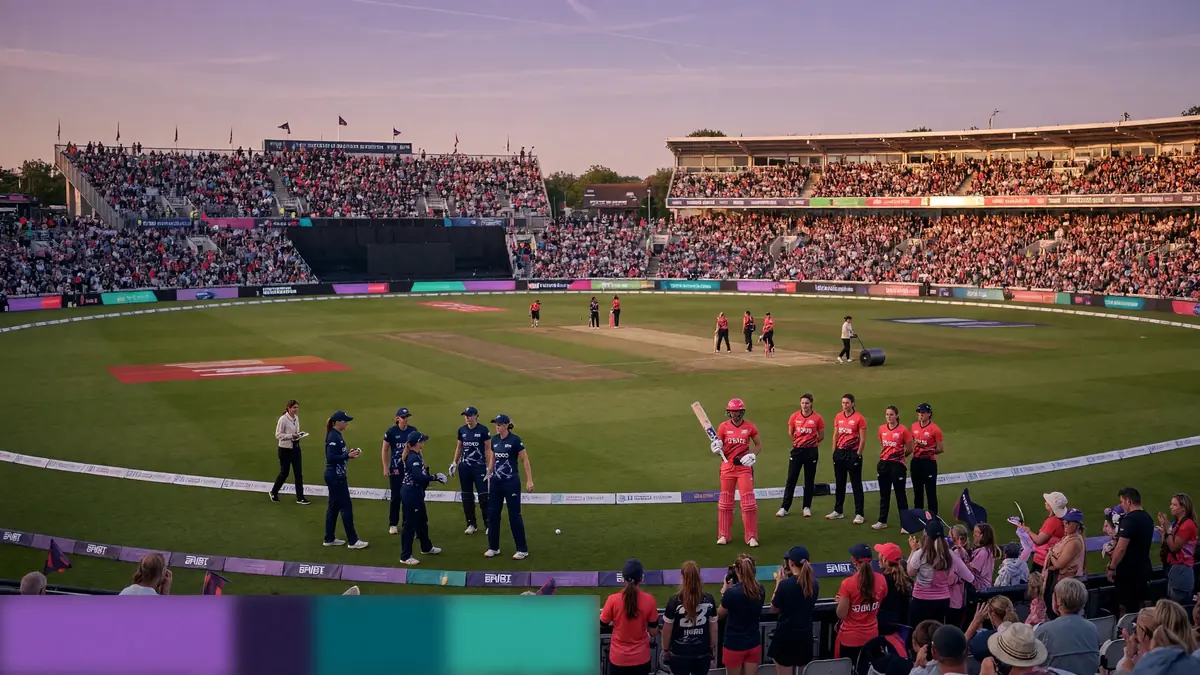
London Spirit Women host Southern Brave Women in Match 16 of The Hundred Women's 2026 at Lord's Cricket Ground on Saturday, 1 August 2026, with the first ball scheduled for 7 PM IST. Southern Brave sit alone at the top of the table. London Spirit sit fourth with six points. For Indian fantasy lineups built around 100-ball roles, the gap between a settled table leader and a mid-table home side is the first filter on captain risk.
Live coverage is listed on Star Sports Networks, with streaming on the Jio Hotstar app or website. Final XIs can still move after warm-ups, so treat the predicted sides below as a pre-toss baseline rather than locked squads. The value of this fixture for contest builders is the contrast in roles: Brave bring a deep top order and a sharp new-ball pair, while Spirit lean on multi-skill balance through Marizanne Kapp, Deandra Dottin and Charlotte Dean.
Table context before the Lord's fixture
Southern Brave Women arrive as the competition's table-toppers. That standing usually means clearer bowling changes, settled batting order and less experimental XI selection. London Spirit Women, fourth with six points, still have room to climb but less margin for a soft powerplay. In 100-ball fantasy scoring, table position matters less than role certainty: who opens the bowling, who keeps through the full set, and who bats inside the first 25 balls.
Spirit's six-point tally keeps them in the pack rather than adrift. A home night at Lord's can compress that gap if the new ball moves and the middle order converts. Brave's top-of-table cushion, by contrast, lets them keep attacking fields longer when a wicket falls. Contest builders should mark Brave as the higher floor side on win probability while still hunting Spirit differentials in mega fields where ownership clusters on Wolvaardt, Bell and Molineux.
Head-to-head in The Hundred
Across five previous Hundred meetings between these sides, Southern Brave hold four wins to London Spirit's one, with no no-results. That 4–1 split is not a guarantee of Saturday's result, but it is a useful prior for how the match-ups have tended to break. Brave have repeatedly found ways to close chases or defend low totals against Spirit; Spirit's single win is the outlier rather than the pattern.
For fantasy, head-to-head form is most useful when it maps onto recurring roles. If Brave keep winning with early wickets from Lauren Bell and middle-overs control from Sophie Molineux and Sarah Glenn, those names stay premium even when the scoreboard is close. Spirit's path in the reverse fixtures has often needed a top-order surge from Amy Jones or an all-round shift from Kapp. Saturday's slate should start from that evidence rather than from brand reputation alone.
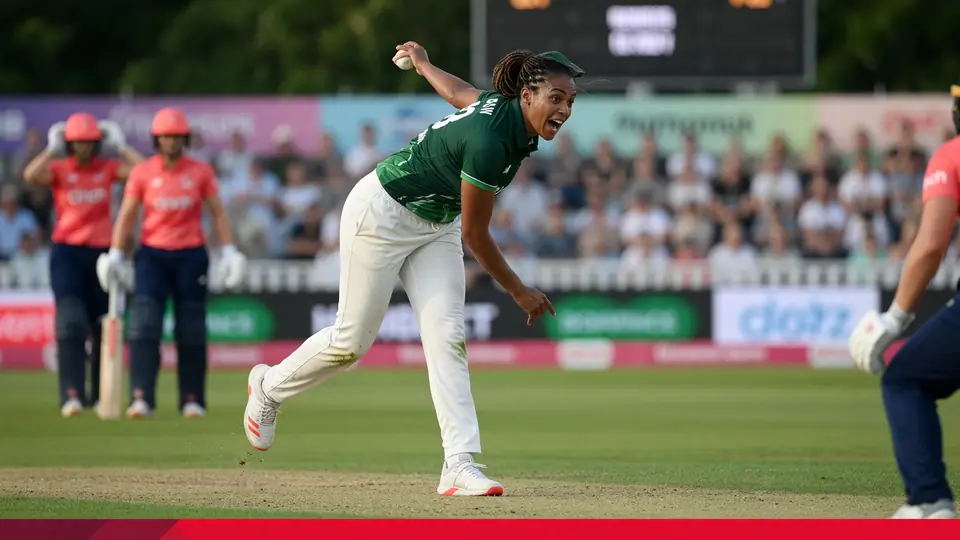
Lord's surface and the batting-second lean
Lord's is described here as an even shorter-format wicket: the new ball can move and swing early, then batting conditions improve as the evening settles. That sequence historically aids the side batting second once the ball stops talking. Fantasy translation is simple. New-ball bowlers gain ceiling in the first 20–25 balls. Pure top-order anchors gain ceiling if they face the older ball later. Death hitters batting first face a slightly harder surface window than those chasing.
If Spirit win the toss and bowl, Kapp and Katie George become higher-priority bowling slots because early swing is their best pathway to multiple wickets. If Brave bowl first, Lauren Bell and Issy Wong sit in the same band. Batters who open — Grace Harris or Amy Jones for Spirit, Lizelle Lee or Maia Bouchier for Brave, with Laura Wolvaardt often the structured top-order presence — absorb more risk when they face the moving ball, but they also face the highest ball volume if they survive.
Chasing sides at Lord's in this format can afford a quieter first 20 balls if the pitch truly eases. That is a quiet boost for number-three and number-four batters who arrive after the swing phase. Jemimah Rodrigues and Marie Kelly sit in that band on the predicted sheets and are cleaner differential captains than the openers when the field is crowded on Wolvaardt and Jones.
Predicted London Spirit Women XI
The Spirit sheet projected ahead of the fixture is: Grace Harris, Amy Jones (wicketkeeper), Marie Kelly, Marizanne Kapp, Sterre Kalis, Nadine de Klerk, Deandra Dottin, Charis Pavely, Charlotte Dean (captain), Katie George and Trudy Johnson.
Harris and Jones give Spirit two different top-order gears — Harris the higher strike ceiling, Jones the glovework plus structured scoring. Kelly and Kalis fill the middle, while Kapp and de Klerk supply the multi-skill glue that 100-ball fantasy rewards when overs and batting order both land. Dottin remains a high-variance all-round package: if she bowls and bats inside the top seven, her ceiling jumps; if either role is trimmed, she becomes a pure boom-or-bust differential.
Dean captains and bowls the control overs. Pavely and George add left-arm or seam variety depending on final balance, and Johnson is the deeper bowling option if Spirit want five genuine overs of pace or spin support. From a salary-cap view, Kapp is the Spirit name most likely to clear ownership in small-field contests because she can score with bat and ball without needing a 40-ball stay. Jones is the safer Spirit captain when you need a floor and a wicketkeeping bonus path.
Predicted Southern Brave Women XI
Brave's projected side reads: Lizelle Lee (wicketkeeper), Maia Bouchier, Laura Wolvaardt, Jemimah Rodrigues, Sophie Molineux (captain), Jodi Grewcock, Naomi Dattani, Sarah Glenn, Issy Wong, Lauren Bell and Tilly Corteen-Coleman.
That top four — Lee, Bouchier, Wolvaardt, Rodrigues — is the deepest batting stack in the match on paper. Wolvaardt is the structured anchor many fields will captain; Lee brings keeping points plus power; Bouchier and Rodrigues supply the flex scoring that wins GPP contests when one of them faces 30-plus balls. Molineux captains and bowls left-arm spin in the middle phase, a role that often banks quiet fantasy points even without a headline spell.
Glenn is the leg-spin wicket threat against right-hand middle orders. Wong and Bell share the new ball, with Bell the sharper wicket-taking profile in early overs. Corteen-Coleman adds left-arm spin depth, and Dattani or Grewcock fill the all-round or middle-order balance. For Brave stacks, a common core is Wolvaardt plus Bell, then one of Molineux or Glenn depending on whether you want captain stability or bowling upside.
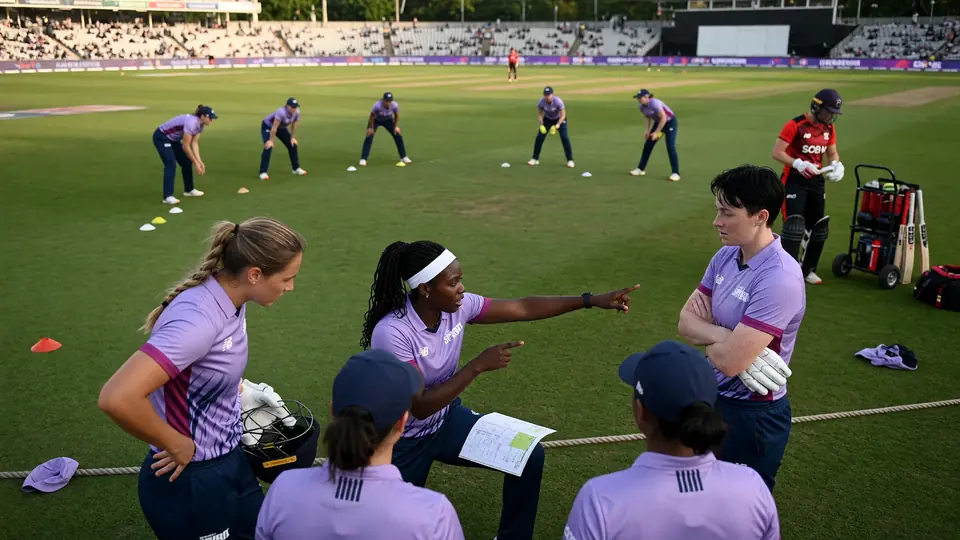
Players who move the fantasy slate
Two batting names sit above the rest for early ownership: Amy Jones for Spirit and Laura Wolvaardt for Brave. Both can take the game away in the powerplay phase if they survive the moving ball. Jones adds keeping points; Wolvaardt adds the calm strike rotation that keeps a chase or a first-innings platform intact after a wicket. If you need one Spirit batter and one Brave batter in a two-team build, start there and build outwards.
Two bowling names sit in the same band: Lauren Bell and Marizanne Kapp. Both are flagged for new-ball wickets. Bell's value spikes if Brave bowl first under lights with any early swing. Kapp's value is broader because she can still bat in the middle order when the ball stops swinging. In head-to-head contests, Kapp is often the cleaner single pick; in large-field contests, Bell's wicket ceiling can justify the risk if ownership is not already saturated.
Secondary names worth a shortlist: Sophie Molineux for middle-overs control and captaincy minutes, Sarah Glenn for wicket spikes against right-handers, Deandra Dottin if she keeps a dual role, and Jemimah Rodrigues as a chase-finisher differential when Wolvaardt ownership is heavy. Do not force all of them into one XI. Pick the role that matches your contest type, then leave salary for a second bowler who will actually complete a full set of overs.
Captain and vice-captain lanes
Safe captain lane: Laura Wolvaardt or Amy Jones. Both have ball volume if they bat through 40–50 balls, and both sit in roles that rarely get hidden after a single failure earlier in the order. Wolvaardt is the default when you side with the table leader; Jones is the default when you want Spirit leverage plus keeping upside.
Balanced captain lane: Marizanne Kapp. All-rounders in 100-ball contests compress variance because a quiet batting night can still be rescued by two new-ball overs. Kapp is the Spirit name most likely to clear both departments on the same card.
Differential captain lane: Lauren Bell or Jemimah Rodrigues. Bell needs early wickets to pay; Rodrigues needs a 25-ball stay in the middle. Either can separate a mega-contest lineup when the field is 40 percent Wolvaardt. Pair a differential captain with a safe vice-captain from the other lane so a single failure does not zero the multiplier.
Build templates before the toss
Template A — Brave lean: Wolvaardt, Lee or Bouchier, Bell, Molineux or Glenn, plus one Spirit all-rounder (Kapp) for balance. Use this when you trust the table leader and want a higher floor. Template B — Spirit home lean: Jones, Kapp, Harris or Dottin, Dean or George, plus Wolvaardt as the single Brave stack piece. Use this when you expect early swing and a Spirit bowling night.
Template C — GPP chaos: Rodrigues or Dottin as captain, Bell as the bowling spike, one of Glenn or Corteen-Coleman as the low-owned spinner, and only one of Wolvaardt or Jones — not both — so the rest of the field does not mirror you. Chaos templates fail often; they are for a small slice of a large slate, not for every cash contest.
Whatever template you choose, freeze bowling roles only after the toss. A side chasing at Lord's may hold a seamer back or bowl spin earlier once the ball stops moving. Wait for the confirmed over splits if your platform allows late swaps. If it does not, prefer multi-skill names (Kapp, Molineux, Dottin) over pure specialists who disappear when the captain changes the plan.
Broadcast notes and pre-toss checklist
Indian viewers can follow the match on Star Sports Networks and stream on Jio Hotstar. Use the warm-up window to confirm three items only: who keeps, who takes the new ball, and whether Dottin or Dattani retains a bowling share. Everything else is noise until those three settle.
Checklist in order: (1) toss and bat/bowl decision, (2) final XI deltas against the predicted sheets above, (3) powerplay bowling pair, (4) whether Wolvaardt or Jones is promoted or held, (5) last salary-cap swap for a dual-role player if a pure batter loses overs. That sequence keeps you from chasing every social-media rumour five minutes before lock.
Match lean and how to use it
The pre-match lean from the source coverage is Southern Brave Women, described as being in excellent form and tipped to win. That lean aligns with table position and the 4–1 Hundred head-to-head. It is still a lean, not a locked result: Lord's night conditions and a single powerplay collapse can flip a 100-ball game in ten minutes.
Use the lean for exposure, not for blind stacks. In small-field contests, a Brave-heavy core is reasonable. In large fields, keep at least one Spirit path live — usually Kapp or Jones — so a home bowling spell does not wipe the slate. Fantasy edges here come from role confirmation and ownership gaps, not from repeating the match winner pick in every lineup.
What to watch after the first 25 balls
If Bell or Kapp has a wicket inside the first 25 balls, double down on the bowling side's remaining overs rather than panic-chasing batters on the team that lost early wickets. If both openers from one side are still there after 25 balls, shift attention to the set batter's ceiling and fade pure bowlers on the fielding side who have already spent their best overs.
The next concrete checkpoint after this fixture is the updated Hundred Women's table and the following round's confirmed fixtures once Match 16 is complete. Spirit's six-point standing and Brave's top slot will either stretch or compress on the back of this Lord's result, and that table shape is what should rebuild your next set of captain shortlists. For broader format rules, salary-cap patterns and contest types around Indian fantasy cricket, start from fantasy cricket and build the next XI from confirmed roles rather than from reputations alone.